Wisdom of the Elders

K–12 Curriculum

, , ,

Grades 4 – 6 Storytelling: Honoring Warm Springs

Overview

The following five lessons will include activities to enhance the standards of literature, writing, speaking, listening and reading.

Lesson 1: What is storytelling and how it is used to remember traditions
Lesson 2: Stories of the Land (and how it shapes people’s lives)
Lesson 3: European Contact and the Stories of that Era
Lesson 4: Individuals Who Had an Impact on the Tribal Way of Life
Lesson 5: Contemporary stories and why they are important

GUIDING QUESTIONS

Who tells stories?
Why are stories important?
Why are stories told?
Why should stories be preserved?
What is the difference between family stories and tribal stories?

PREPARING TO TEACH THIS LESSON

Have on hand supplies to make paper masks to act out a story (paper, glue, string, hole punch, paints, decorations)
Go to  HYPERLINK “http://www.nwrel.org/indianed/indianreading/1/book01.pdf” http://www.nwrel.org/indianed/indianreading/1/book01.pdf to download the Warm Springs story, Coyote and the Stars
ASK THE WARM SPRINGS REVIEW GROUP TO SUGGEST RESOURCES OTHER THAN NWREL IF NEEDED
Make available pictures of Warm Springs baskets
OBTAIN PICTURES FROM THE WARM SPRINGS REVIEW GROUP
Listen to the Turtle Island Storytellers segment of Wisdom of the Elders Series 3, Program 6

BASED UPON WISDOM OF THE ELDERS RADIO: SERIES 3, PROGRAM 6

Lesson plan written by Esther Stutzman

Historical Introduction:
Read the transcript…
Arlie Neskahi discusses the history of this Columbia River tribe and how tribes from the region and beyond all converged on the villages of the Wishram and the Wasco to trade, socialize and do ceremony.

Elder Wisdom:
Read the transcript…
Brian Bull shares the story of Adeline Miller who was “born up in the mountains during huckleberry time.” Now a tribal elder, she reminds her children and grandchildren of their origins through song, dance, and laughter.

Speaking Native:
Read the transcript…
Don Addison tell us that three native languages survive on this reservation today: Northern Paiute (also called Numu), Sahaptin (or Eecheeshkeen), and Wasco, known as Kiksht.

Sacred Landscape:
Read the transcript…
Judy Bluehorse Skelton talks about berries, including huckleberries, blackberries and raspberries, which burst with nutrition, and what the tribe is doing to ensure there will be plenty to pick in the future.

Tribal Rhythms:
Read the transcript…
Nico Wind introduces us to the music of the Warm Springs tribe presented by traditional singer, Carlos Calica, who is the keeper of the Art Mitchell drum. This drum belonged to his grandfather and is a drum Carlos sang on as a child.

Health and Healing:
Read the transcript…
Rose High Bear introduces us to Faye Waheneka who warns us to stay away from unhealthy food, including fry bread. Raised by her grandparents, she believes in using healthy traditional foods, such as edible roots, berries, deer meat, grouse, and salmon to manage her diabetes.

Artists Circle:
Read the transcript…
Bruce Crespin highlights the rediscovery of Wasco basketweaving by tribal artist, Pat Courtney Gold who is internationally recognized for the art of full-turn twining. She shares her travels across the country to visit museums with Wasco baskets in their collections and how she reconnected with a basket purchased by Lewis and Clark in 1805.

Turtle Island Storytellers:
Read the transcript…
Darlene Foster shares first contact stories she learned from her mother, who learned them from her grandmother. “They always told stories about how my ancestors knew before the pioneers came that they would come in. They would flow in like a river.”


INTRODUCTION
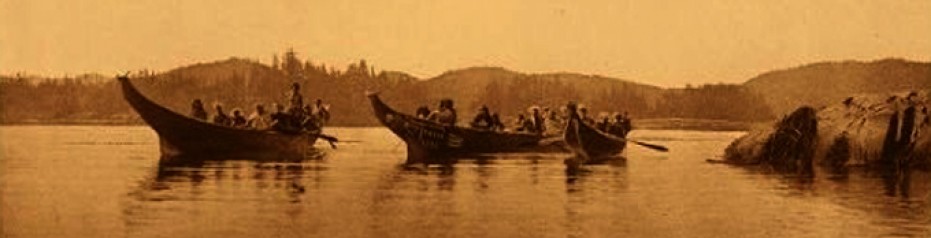
The people of the Warm Springs nation were fishermen and traders. A rich culture developed along the Columbia River, centering on the economy of salmon and other trade items. When people gathered together, friendships were renewed and stories were told. Just as with other tribes across America, the Warm Springs told stories of the ancestors and of great adventures SUBJECT AREAS

Language arts
Writing
Drama
Art
History
Speech

SKILLS

Analysis
Oral skills
Research
Interpretation
Writing
Drawing conclusions

LEARNING OBJECTIVES

Upon completion of the activities and lessons, students will:

Understand importance of storytelling
Learn about the oral traditions of the Warm Springs
Learn about a selection of Warm Springs histories


Begin Lessons